

SPNEEDEL Logo
SPNEEDEL Technology Solutions ecosystem
03 / TECHNOLOGY SOLUTIONS

Build, Modernize
& Scale Technology
Capabilities.

Build, modernize and scale technology capabilities with solutions designed around evolving business and technology needs.

TECHNOLOGY CAPABILITIES

Technology That
Connects the
Enterprise.

Modern technology is more than individual systems. It is how applications, data, infrastructure and enterprise platforms work together to support the way a business operates, evolves and grows.

01

BUILD

Create technology capabilities around evolving business needs.

02

MODERNIZE

Evolve existing applications, platforms and technology environments.

03

SCALE

Strengthen technology foundations as requirements change.
EXPLORE OUR TECHNOLOGY CAPABILITIES
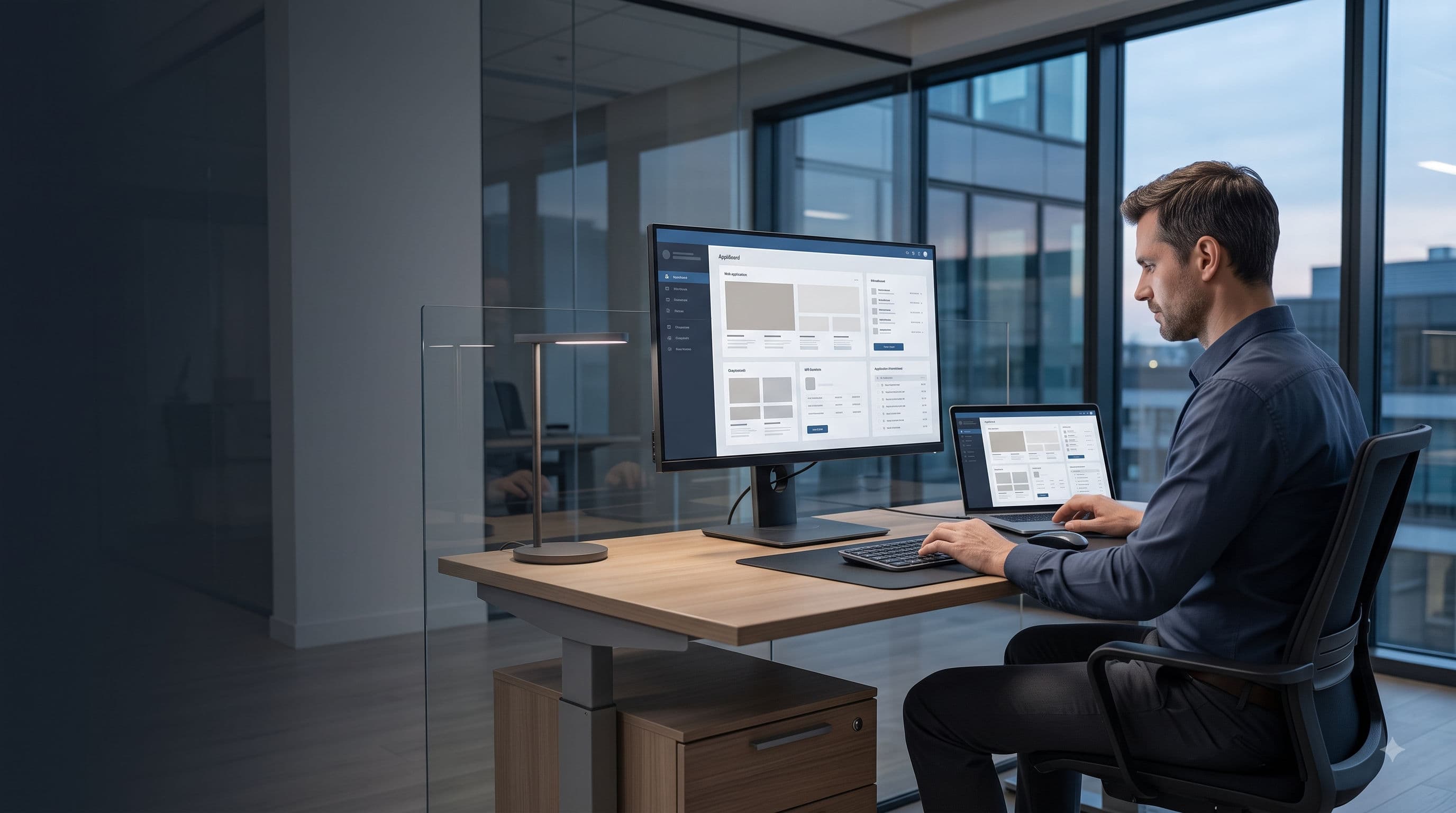
enterprise technology capabilities and digital services platform
enterprise technology systems integration
modern enterprise technology architecture
modern application architecture and development environment
enterprise backend systems and API integration
cloud application modernization platform
software testing and deployment operations
01 / APPLICATION DEVELOPMENT

Modern Applications.
Built for the Way Business Works.

From customer-facing digital experiences to enterprise applications, modern application development brings together product thinking, engineering, data, infrastructure and continuous improvement.

THE MODERN APPLICATION STACK

Modern technology ecosystems can include a wide range of platforms and frameworks across multiple layers of application architecture.

01 — EXPERIENCE

User-facing application layer. Web Applications, Mobile Applications, Responsive Interfaces, Digital Experiences.

ReactNext.jsAngularVueReact Native

02 — APPLICATION LAYER

Core application logic. Application Architecture, Business Logic, Enterprise Applications, Microservices, Modular Applications.

Node.js.NETJavaPython

03 — API & INTEGRATION

Modern applications rarely operate alone. REST APIs, GraphQL, API Integration, Enterprise Integration, Event-Driven Architecture.

RESTGraphQLIntegration Services

04 — DATA

Modern application data layer. Relational Databases, NoSQL Databases, Data Storage, Caching, Data Migration.

PostgreSQLMySQLMongoDBRedis

05 — CLOUD & INFRASTRUCTURE

Scalable infrastructure. Cloud Environments, Containers, Scalable Architecture, Infrastructure Management.

AWSAzureGoogle CloudDockerKubernetes

06 — DEVOPS & DELIVERY

Path from development to production. CI/CD, Version Control, Automated Deployment, Environment Management, Monitoring.

GitGitHubGitLabAzure DevOps

BUILT ACROSS THE FULL APPLICATION LIFECYCLE

01

DISCOVER

Understand business requirements, users and technology context.

02

DESIGN & ARCHITECT

Define application structure, experience and technical direction.

03

BUILD & INTEGRATE

Develop applications, APIs, services and integrations.

04

TEST & RELEASE

Validate quality, performance, accessibility and release readiness.

05

OPERATE & MODERNIZE

Maintain, improve and evolve applications as business requirements change.

MODERNIZE WHAT ALREADY EXISTS

Modernization Without Losing Business Continuity.

Existing applications do not always need to be replaced. Modernization can involve improving architecture, migrating platforms, integrating systems, updating interfaces or progressively evolving legacy applications.


LEGACY APPLICATIONS
MODERN ARCHITECTURE
OLD PLATFORMS
MIGRATED ENVIRONMENTS
DISCONNECTED SYSTEMS
INTEGRATED SERVICES
OUTDATED EXPERIENCES
MODERN INTERFACES

QUALITY IS PART OF DEVELOPMENT.

  • User Acceptance Testing
  • Performance Testing
  • Accessibility Testing
  • Functional Validation
  • Release Readiness

WHAT SPNEEDEL CAN SUPPORT

01
Custom Application Development
02
Application Platform Migration
03
Data Migration
04
Legacy Application Maintenance & Modernization
05
Quality Assurance & Testing
06
Release Management
07
Ongoing Maintenance & Improvement
08
Technical Documentation
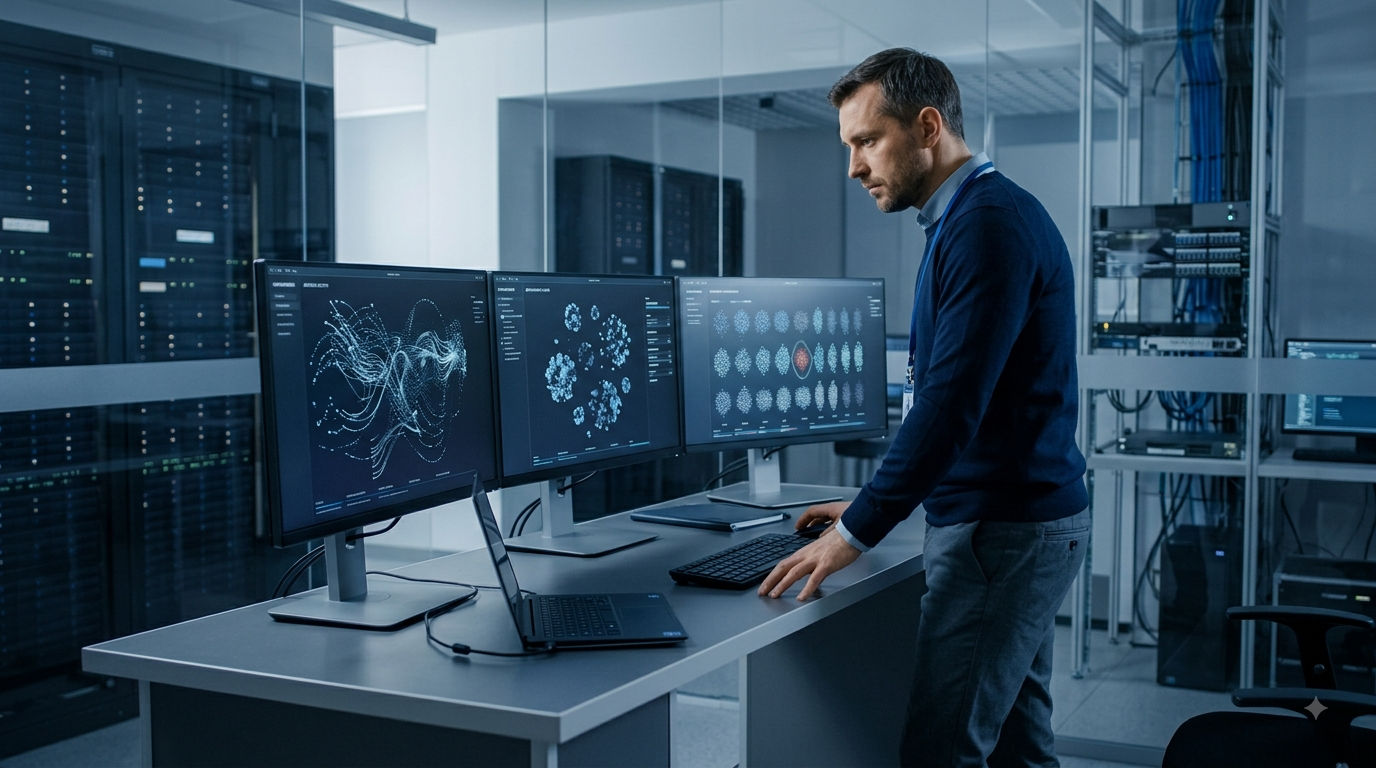
enterprise data science and predictive analytics dashboard
machine learning and data modeling insights
data-driven decision making and analytics architecture
02 / DATA SCIENCE

Data Science

Turn Data Into Decisions.

Bring together data, analytics and intelligent models to uncover patterns, understand business performance and support more informed decisions.

THE MODERN DATA SCIENCE LIFECYCLE

01

COLLECT

Bring together relevant data from business and operational sources.

02

PREPARE

Clean, structure and prepare data for analysis.

03

EXPLORE

Identify patterns, relationships, trends and anomalies.

04

MODEL

Develop analytical or predictive models around defined business questions.

05

VALIDATE

Evaluate model quality, relevance and performance.

06

DEPLOY & MONITOR

Put useful models and insights into operation and continuously evaluate their effectiveness.

FROM RAW DATA TO BUSINESS INSIGHT

RAW DATA
DATA PREPARATION
ANALYSIS
MODELING
INSIGHT
DECISION

THE MODERN DATA SCIENCE STACK

Modern data science environments can include a range of specialized tools for preparing data, training models and visualizing insights.

01 — DATA SOURCES

Business Systems, Operational Data, Transactional Data, External Data Sources.

SQLNoSQLAPIs

02 — DATA PREPARATION

Data Cleaning, Data Transformation, Feature Preparation, Data Quality.

PandasNumPySpark

03 — ANALYTICS

Exploratory Data Analysis, Statistical Analysis, Trend Analysis, Pattern Detection.

JupyterPython

04 — MACHINE LEARNING

Predictive Modeling, Classification, Regression, Clustering, Forecasting.

Scikit-learnTensorFlow

05 — VISUALIZATION

Data Visualization, Dashboards, Reports, Interactive Analytics.

Power BITableau

06 — DEPLOYMENT & MONITORING

Model Deployment, Performance Monitoring, Model Evaluation, Continuous Improvement.

Cloud Data Platforms

Good data science starts with the right business question.

Technology and models are only part of the process. Useful data science begins by understanding the decision, problem or opportunity the analysis needs to support.

WHERE DATA SCIENCE CAN CREATE VALUE

BUSINESS ANALYTICS

Understand performance and uncover meaningful patterns.

PREDICTIVE INSIGHTS

Use historical data to support forward-looking decisions.

FORECASTING

Identify trends and estimate future outcomes.

CUSTOMER & OPERATIONAL INSIGHTS

Understand behavior, performance and operational patterns.

ANOMALY DETECTION

Identify unusual patterns that may require attention.

FROM ANALYSIS TO PREDICTION

Descriptive analytics helps understand what happened. Predictive models can help explore what may happen next.

DESCRIPTIVE
What happened?
DIAGNOSTIC
Why did it happen?
PREDICTIVE
What could happen?
PRESCRIPTIVE
What actions could be considered?

DATA QUALITY MATTERS

Data Accuracy
Data Consistency
Data Completeness
Model Validation
Responsible Interpretation
03 / ERP APPLICATIONS

ERP Applications

Connect the Business Behind the Business.

Connect core business processes, information and workflows through enterprise applications designed around the way an organization operates.
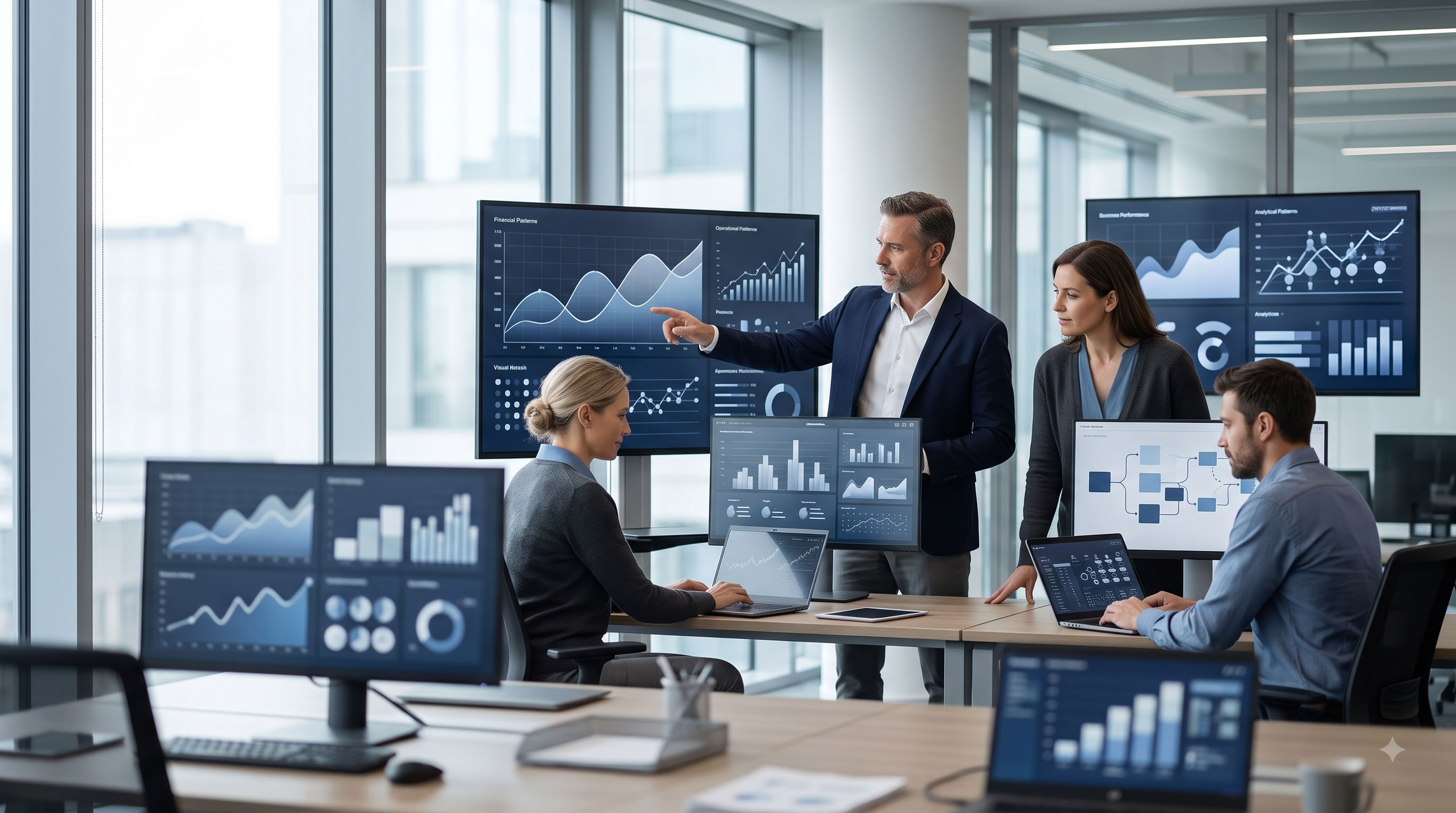
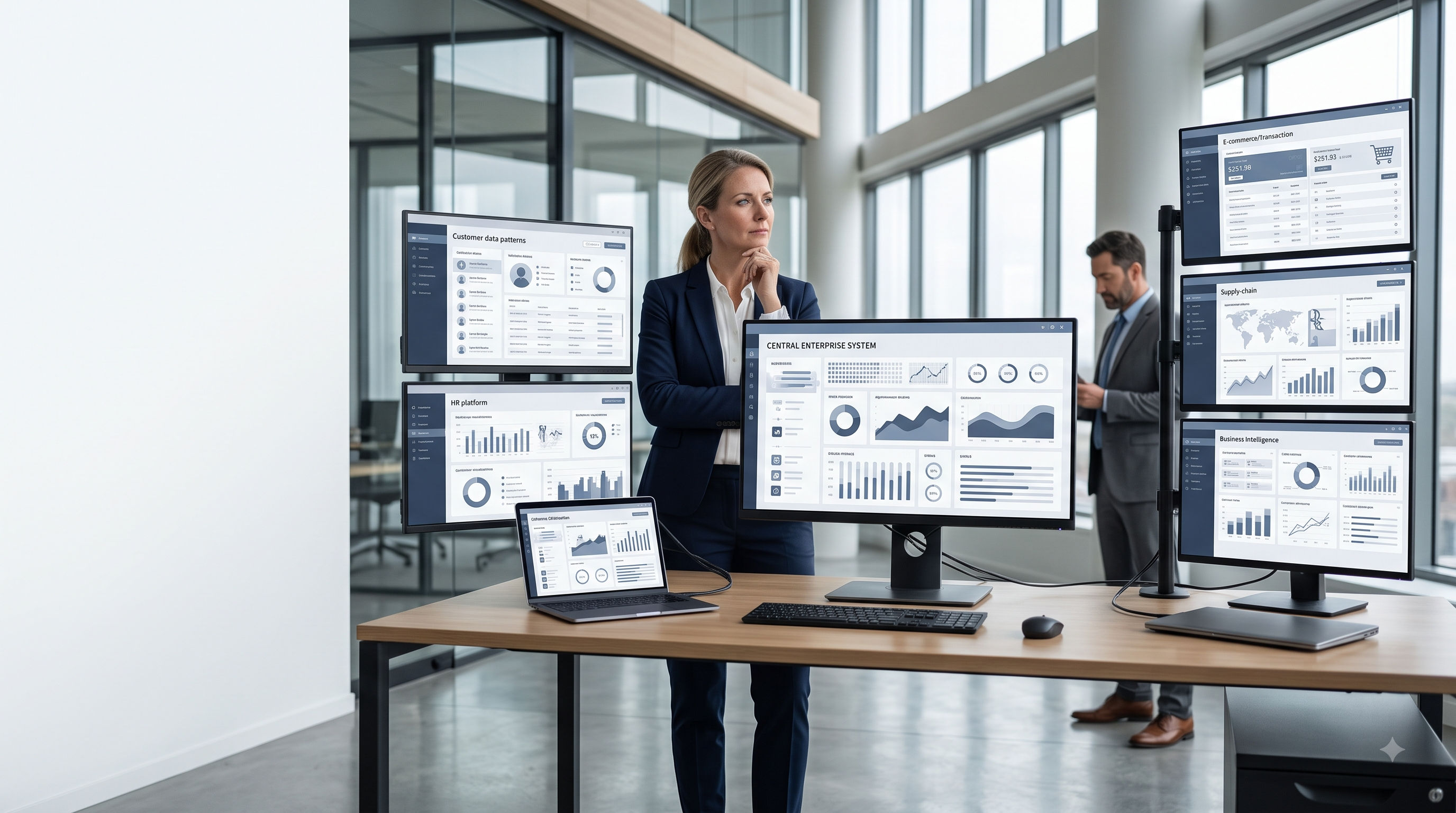
enterprise resource planning applications interface
business applications and ERP integration systems
enterprise systems and business intelligence operations

ONE BUSINESS. CONNECTED SYSTEMS.

ERP brings different business functions together so information can move across the organization rather than remaining isolated in separate systems.

FINANCE
OPERATIONS
HUMAN RESOURCES
SUPPLY CHAIN
CUSTOMER / BUSINESS OPERATIONS
REPORTING & ANALYTICS

CORE ERP CAPABILITIES

01

FINANCE & ACCOUNTING

Support financial processes, reporting and organizational visibility.

02

HUMAN RESOURCES

Connect workforce-related processes and employee information.

03

OPERATIONS

Support operational workflows, planning and business processes.

04

SUPPLY CHAIN

Support procurement, inventory, logistics and supply chain workflows.

05

SALES & CUSTOMER OPERATIONS

Connect commercial processes and operational information.

06

REPORTING & ANALYTICS

Bring operational information into clearer business reporting and decision support.

THE MODERN ERP ENVIRONMENT

Layer 01 : BUSINESS USERS
Layer 02 : ERP APPLICATIONS
Layer 03 : BUSINESS PROCESSES
Layer 04 : DATA & INFORMATION
Layer 05 : INTEGRATIONS
Layer 06 : REPORTING & ANALYTICS

ERP Doesn't Operate Alone.

Modern ERP environments often need to exchange information with other business applications, platforms and services.

CRM
Payment Systems
E-Commerce
HR Platforms
Supply Chain Systems
Business Intelligence
Third-Party Applications

EVOLVE THE ERP ENVIRONMENT

ERP work can involve continuous enhancement rather than full replacement. Evolution happens through targeted improvements.

  • ERP Application Development
  • ERP Platform Migration
  • System Integration
  • Data Migration
  • Process Modernization
  • Application Maintenance
  • Reporting & Analytics

FROM LEGACY SYSTEMS TO MODERN OPERATIONS

Existing ERP environments can evolve through phased modernization, integration, migration and process improvement rather than requiring an immediate replacement of the entire system.

EXISTING ERP
ASSESS
INTEGRATE
MODERNIZE
OPTIMIZE

ONE VIEW OF THE BUSINESS

"When business information is connected across functions, teams can work from more consistent operational information and gain clearer visibility into business performance."

BUSINESS PROCESSES
+
CONNECTED DATA
+
REPORTING
=
BETTER OPERATIONAL VISIBILITY

MODERN ERP TECHNOLOGY CAN INCLUDE

SAP
Microsoft Dynamics
Oracle
Salesforce
NetSuite
Infor

Examples across the modern ERP ecosystem

MOVE BUSINESS DATA WITH CONTROL

  • Data Assessment
  • Data Mapping
  • Data Transformation
  • Data Migration
  • Data Validation

BUILT AROUND BUSINESS CONTINUITY

  • Testing
  • Validation
  • Release Planning
  • User Acceptance
  • Documentation
  • Ongoing Support

ERP technology has to work within real business operations.

BUSINESS VALUE

"ERP is ultimately about connecting how a business operates."

Technology becomes more valuable when processes, information and people can work together across the organization.

04 / MOBILE APPLICATIONS DEVELOPMENT

Mobile Applications Development

Build Mobile Experiences People Depend On.

Design and develop mobile applications that connect intuitive experiences with reliable technology, backend systems and the business processes behind them.


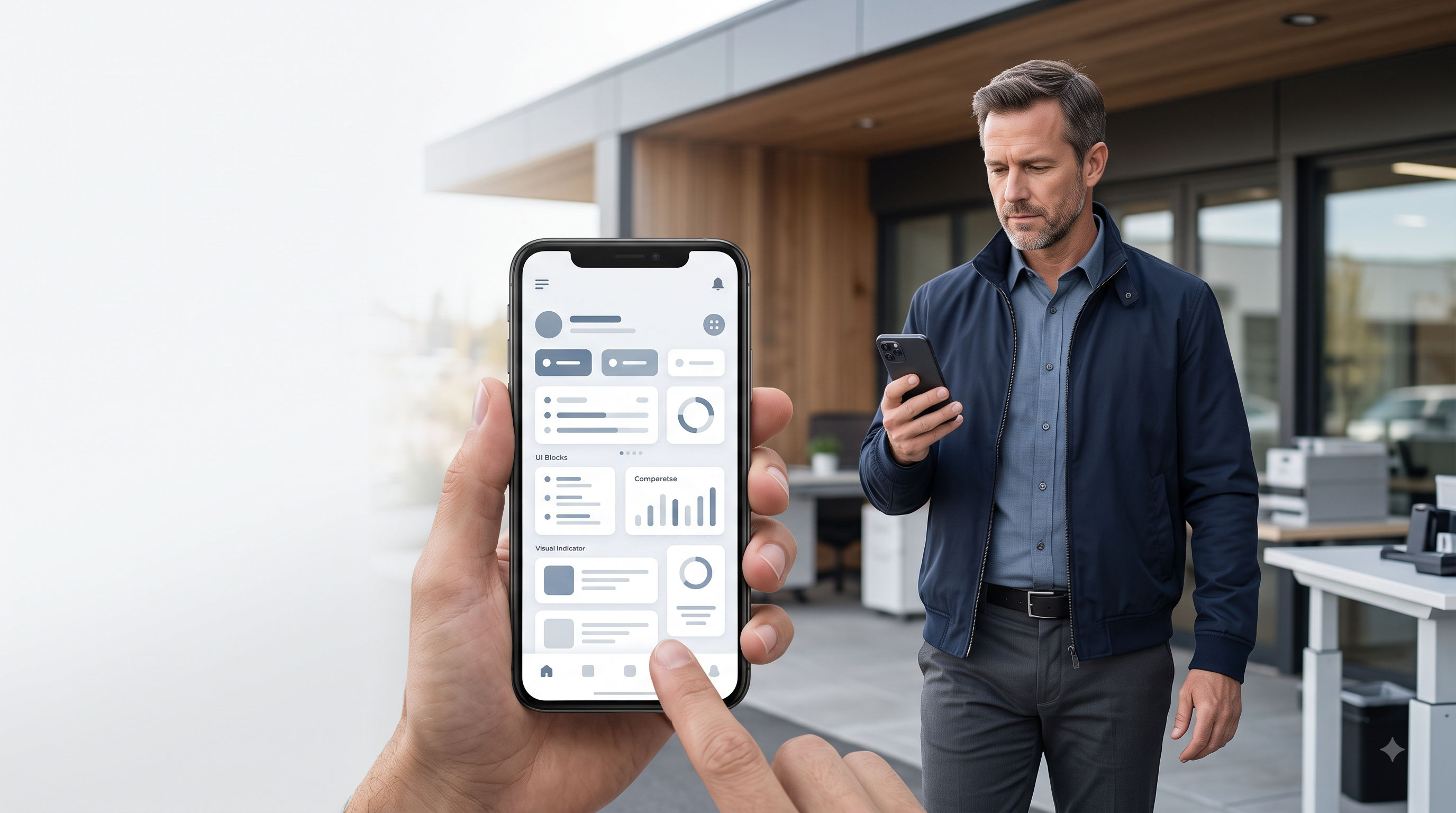
modern mobile application development interface
cross-platform mobile applications analytics
mobile user experience and backend integration

FROM IDEA TO MOBILE PRODUCT

01

DISCOVER

Understand users, business requirements and the mobile product objectives.

02

DESIGN

Create intuitive mobile experiences around real user behavior.

03

BUILD

Develop the application using an appropriate mobile architecture and technology approach.

04

INTEGRATE

Connect mobile applications with APIs, backend services and enterprise systems.

05

TEST

Validate functionality, performance, usability and device behavior.

06

RELEASE & EVOLVE

Deploy the application and continue improving it based on changing requirements and user feedback.

MOBILE TECHNOLOGY, CHOSEN AROUND THE PRODUCT

The right technology depends on product requirements, performance expectations, platform requirements, development speed, maintainability, backend architecture and long-term scalability.

01 — NATIVE DEVELOPMENT

Platform-specific applications designed for the capabilities and requirements of individual mobile platforms.

Examples across the modern mobile development ecosystem:

iOSAndroid

02 — CROSS-PLATFORM DEVELOPMENT

Build experiences across multiple mobile platforms while sharing appropriate parts of the application architecture and codebase.

Examples across the modern mobile development ecosystem:

React NativeFlutter

03 — MOBILE WEB / RESPONSIVE EXPERIENCES

Responsive digital experiences designed to work effectively across mobile browsers and different screen sizes.

WHAT POWERS A MODERN MOBILE APPLICATION

EXPERIENCE
  • Mobile UI
  • Interaction Design
  • Accessibility
  • Responsive Layout
APPLICATION
  • Application Architecture
  • State Management
  • Navigation
  • Offline Experience
BACKEND
  • APIs
  • Authentication
  • Business Logic
  • Data Services
INTEGRATION
  • Enterprise Systems
  • Third-Party Services
  • Notifications
  • Payments
DELIVERY
  • Testing
  • Monitoring
  • Release Management
  • Continuous Improvement

A Mobile App Is More Than The App Store.

Reliable mobile experiences depend on the systems behind the screen. Applications often need secure APIs, authentication, data services, notifications and integrations to operate effectively.

MOBILE EXPERIENCE
API LAYER
BUSINESS LOGIC
DATA
INTEGRATIONS

BUILT AROUND REAL MOBILE USE

USER EXPERIENCE

Clear navigation and intuitive interactions.

PERFORMANCE

Responsive application behavior and efficient resource usage.

DEVICE CAPABILITIES

Appropriate use of device features where required.

OFFLINE & CONNECTIVITY

Experiences designed around real-world connectivity conditions.

NOTIFICATIONS

Timely communication through appropriate notification systems.

SECURITY

Authentication, authorization and secure application behavior.

MOBILE EXPERIENCES FOR DIFFERENT BUSINESS NEEDS

CUSTOMER APPLICATIONS

Digital products designed for customer interaction.

WORKFORCE APPLICATIONS

Mobile tools that support employees and field teams.

BUSINESS OPERATIONS

Applications that connect teams with operational workflows.

COMMERCE & TRANSACTIONS

Mobile experiences supporting product discovery, transactions and customer journeys.

SERVICE APPLICATIONS

Applications designed around bookings, requests, support and service workflows.

DESIGNED FOR THE REAL WORLD

Mobile applications need to work under real-world conditions, not only in perfect development environments.

Fast InteractionsEfficient Data UsageResponsive InterfacesDevice CompatibilityNetwork-Aware ExperiencesPerformance Monitoring

QUALITY ACROSS THE MOBILE EXPERIENCE

  • Functional Testing
  • Device Testing
  • Usability Testing
  • Performance Testing
  • API Testing
  • Release Validation

CONNECTED TO THE CLOUD BEHIND IT

Modern mobile applications can connect to cloud-hosted backend services, APIs, databases, authentication systems and third-party services.

LAUNCH IS ONLY THE BEGINNING

Application development continues after release through:

  • Monitoring
  • Bug Fixes
  • Performance Improvements
  • Feature Updates
  • Platform Updates
  • User Feedback

BUSINESS VALUE

"Great mobile applications make complex tasks feel simple."

The technology behind the experience may be complex, but the experience itself should remain clear, responsive and intuitive for the person using it.

05 / INFRASTRUCTURE SOLUTIONS

Infrastructure Solutions

Build the Foundation Behind Modern Technology.

Design, modernize and manage technology infrastructure that supports applications, data, connectivity and the evolving needs of the business.


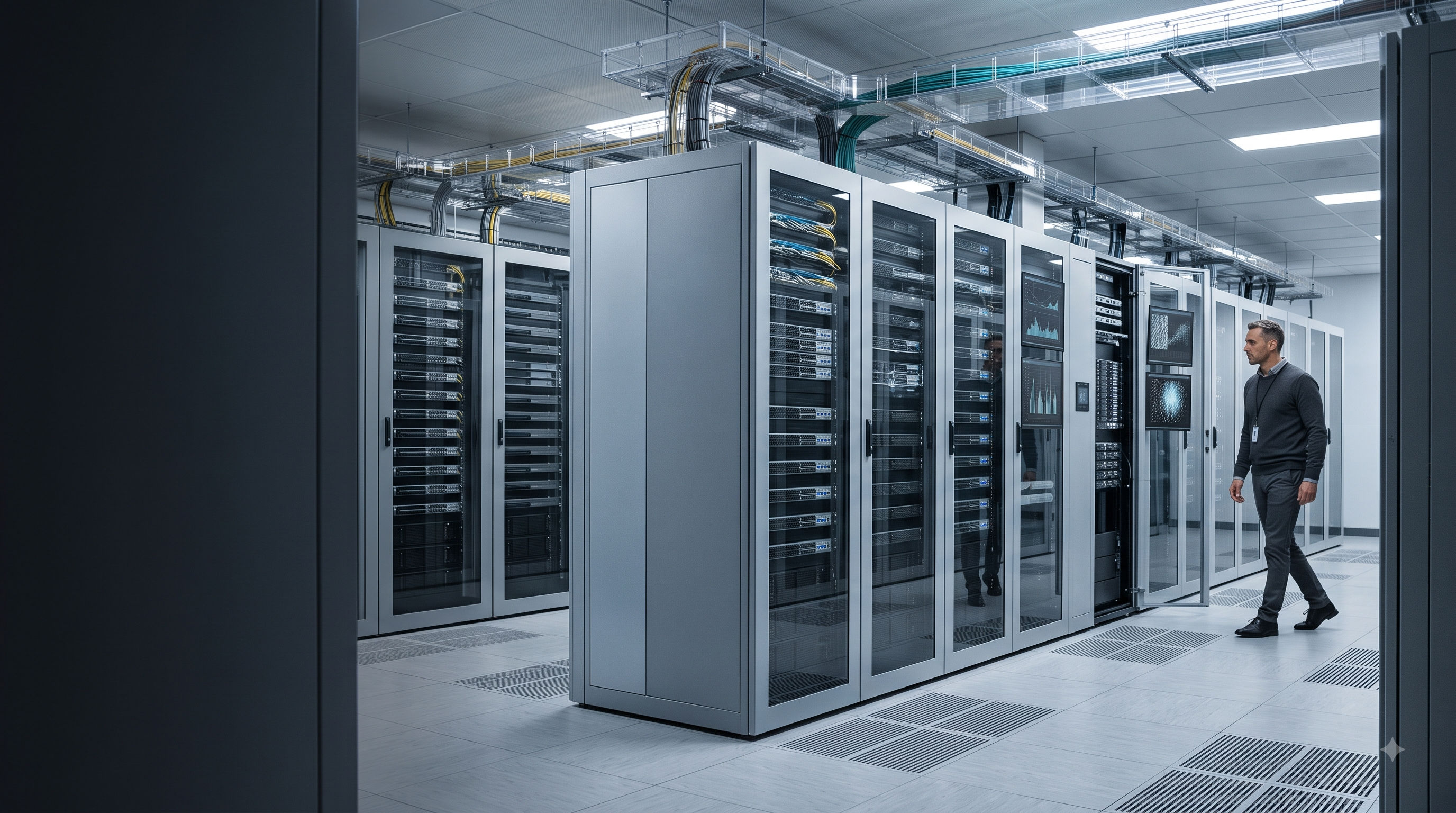
enterprise cloud infrastructure and server environment
network infrastructure modernization architecture
infrastructure monitoring and day-to-day operations

THE FOUNDATION OF DIGITAL OPERATIONS

Infrastructure provides the underlying environment in which applications, data, services and users operate.

APPLICATIONS
SERVICES
INFRASTRUCTURE
COMPUTE + NETWORK + STORAGE
DATA + CONNECTIVITY

THE MODERN INFRASTRUCTURE STACK

01

COMPUTE

  • Servers
  • Virtual Machines
  • Containers
  • Compute Resources
02

NETWORK

  • Connectivity
  • Routing
  • Load Balancing
  • Network Architecture
03

STORAGE

  • Object Storage
  • File Storage
  • Block Storage
  • Data Management
04

CLOUD

  • Cloud Infrastructure
  • Cloud Resources
  • Scalable Environments
  • Hybrid Infrastructure
05

SECURITY

  • Access Control
  • Network Security
  • Infrastructure Protection
  • Secure Configuration
06

MONITORING

  • System Monitoring
  • Performance Monitoring
  • Logging
  • Infrastructure Health

CLOUD-READY INFRASTRUCTURE

"Modern infrastructure can use cloud environments to provision resources more flexibly, support changing workloads and create technology foundations that can evolve with the business."

Cloud Architecture
Resource Provisioning
Scalability
Availability
Infrastructure Management

ARCHITECTURE AROUND THE APPLICATION

Infrastructure decisions should be connected to application requirements, traffic patterns, data requirements, security requirements, performance expectations and operational needs.

APPLICATION NEEDS
ARCHITECTURE
INFRASTRUCTURE
OPERATIONS

DESIGNED TO SCALE WITH DEMAND

Infrastructure may need to adapt as traffic increases, workloads change, applications grow, data volumes expand and business requirements evolve.

START
GROW
SCALE

BUILT FOR CONTINUITY

  • Redundancy
  • Monitoring
  • Health Checks
  • Backup Strategies
  • Recovery Planning
  • Operational Visibility

SECURITY STARTS WITH THE FOUNDATION

  • Access Control
  • Network Segmentation
  • Secure Configuration
  • Identity Management
  • Monitoring
  • Least-Privilege Access

SEE WHAT IS HAPPENING

Modern infrastructure needs visibility into:

  • System Health
  • Resource Usage
  • Performance
  • Logs
  • Availability
  • Operational Events

MODERNIZE WHAT ALREADY EXISTS

Improve existing infrastructure through:

  • Infrastructure Assessment
  • Cloud Migration
  • Virtualization
  • Containerization
  • Architecture Improvements
  • Performance Optimization
  • Monitoring Improvements

MODERN INFRASTRUCTURE ISN'T ALWAYS ONE ENVIRONMENT

The right architecture depends on business and technical requirements:

  • On-Premise Infrastructure
  • Cloud Infrastructure
  • Hybrid Environments
  • Third-Party Services

FROM DEPLOYMENT TO DAY-TO-DAY OPERATIONS

  • Provisioning
  • Configuration
  • Monitoring
  • Maintenance
  • Performance Optimization
  • Incident Response

EXAMPLES ACROSS THE MODERN INFRASTRUCTURE ECOSYSTEM

Cloud PlatformsVirtual MachinesContainersDockerKubernetesLinuxNetworkingObject StorageInfrastructure Monitoring

BUSINESS VALUE

"Technology infrastructure should make the rest of the technology environment easier to operate, scale and evolve."

From cloud resources to connectivity and monitoring, infrastructure decisions influence how reliably applications and digital services can operate.

06 / CYBER SECURITY SOLUTIONS

Cyber Security Solutions

Protect Every Layer of the Digital Environment.

Strengthen applications, infrastructure, identities and data with security practices designed around the technology environment and risks that matter to the business.


enterprise cybersecurity operations and monitoring
application and network security vulnerability management
data security and identity access management analysis

SECURITY ACROSS THE TECHNOLOGY STACK

Modern security needs to consider multiple layers of the environment:

IDENTITY
APPLICATIONS
API & SERVICES
DATA
NETWORK
INFRASTRUCTURE
ENDPOINTS

SECURITY THAT COVERS THE ENVIRONMENT

01

IDENTITY & ACCESS

  • Authentication
  • Authorization
  • Access Control
  • Least-Privilege Access
  • Identity Management
02

APPLICATION SECURITY

  • Secure Development Practices
  • Application Security Testing
  • API Security
  • Vulnerability Identification
  • Security Validation
03

NETWORK SECURITY

  • Network Segmentation
  • Secure Connectivity
  • Traffic Controls
  • Network Monitoring
  • Infrastructure Protection
04

DATA SECURITY

  • Data Protection
  • Access Controls
  • Encryption
  • Data Handling
  • Backup Protection
05

CLOUD SECURITY

  • Cloud Configuration
  • Access Management
  • Infrastructure Security
  • Monitoring
  • Security Controls
06

ENDPOINT SECURITY

  • Device Protection
  • Access Policies
  • Configuration Management
  • Monitoring
  • Endpoint Visibility

SECURITY STARTS BEFORE DEPLOYMENT

Security is more effective when considered during architecture, development and deployment rather than added only after a system is already in production.

PLAN
DESIGN
BUILD
TEST
DEPLOY
MONITOR

PROTECT THE APPLICATION LAYER

Modern applications often depend on:

ApplicationsAPIsAuthenticationThird-Party ServicesData Services

Security considerations may include:

  • Input Validation
  • Authentication
  • Authorization
  • API Protection
  • Secure Configuration
  • Vulnerability Testing

FIND WEAKNESSES BEFORE THEY BECOME PROBLEMS

  • 01
    Asset Visibility
  • 02
    Vulnerability Identification
  • 03
    Risk Prioritization
  • 04
    Remediation
  • 05
    Validation
  • 06
    Continuous Review

SEE WHAT IS HAPPENING

Security visibility can involve:

  • System Activity
  • Authentication Events
  • Network Activity
  • Application Events
  • Infrastructure Events
  • Security Alerts

FROM VISIBILITY TO RESPONSE

COLLECT
ANALYZE
IDENTIFY
RESPOND
IMPROVE

PREPARED FOR WHEN SOMETHING CHANGES

  • Detection
  • Containment
  • Investigation
  • Recovery
  • Lessons Learned

SECURITY BUILT INTO THE FOUNDATION

Infrastructure security can involve Secure Configuration, Access Management, Network Controls, Monitoring, Backup & Recovery, and Operational Visibility.

INFRASTRUCTURE
+
SECURITY
=
RESILIENT TECHNOLOGY ENVIRONMENT

PROTECT THE INFORMATION THAT MATTERS

  • Data Access
  • Data Classification
  • Encryption
  • Backup
  • Retention
  • Secure Data Handling

A PRACTICAL SECURITY LIFECYCLE

01

IDENTIFY

Understand assets, systems and access.

02

PROTECT

Apply appropriate security controls.

03

DETECT

Monitor activity and identify potential issues.

04

RESPOND

Coordinate action when security events occur.

05

RECOVER

Restore operations and improve future resilience.

SECURITY FOR A CHANGING TECHNOLOGY ENVIRONMENT

"As technology environments evolve, security practices need to evolve with them."

CloudMobile ApplicationsAPIsEnterprise ApplicationsRemote AccessThird-Party ServicesConnected Infrastructure

BUSINESS VALUE

"Security is about enabling technology with greater confidence."

Effective security combines appropriate controls, visibility, preparedness and continuous improvement across the technology environment.

Technology Solutions

Ready to build what comes next?

Whether you are building a new digital product, modernizing an existing technology environment or strengthening your technology foundation, let's discuss what your business needs next.

Discuss Your Technology Needs
APPLICATIONSDATAINFRASTRUCTURESECURITY